Why Skin Doesnt Bounce Back After Rapid Weight Loss Understanding Skin Elasticity Limits Stretched Collagen and Elastin: Skin fibers that stretched to accommodate significant weight gain do not fully retract after rapid loss Age-Related Elasticity Decline: Skin elasticity naturally decreases with age, compounding the effect of weight loss Speed of Weight Loss: More rapid weight loss, as is common with GLP-1 medications, often leaves more excess skin than gradual loss Amount of Weight Lost: Larger total weight loss generally correlates with more significant excess skin Core Procedures for Post-Weight-Loss Contouring Tummy Tuck (Standard, Extended, and Fleur-de-Lis) Standard Tummy Tuck: Removes excess skin and tightens abdominal muscles along a horizontal incision Extended Tummy Tuck: Addresses additional excess skin wrapping toward the flanks and back Fleur-de-Lis Technique: Adds a vertical incision to remove skin in both horizontal and vertical directions, often necessary after massive weight loss Muscle Repair: Frequently repairs abdominal muscle separation alongside skin removal Arm Lift (Brachioplasty) Excess Skin Removal: Removes hanging skin along the underside of the upper arm Incision Placement: Typically placed along the inner arm, extending from the armpit toward the elbow depending on skin excess Combined with Liposuction: Often paired with liposuction to refine remaining fat Scar Consideration: Requires an honest discussion about visible scarring in exchange for improved arm contour Thigh Lift Inner Thigh Focus: Removes excess skin along the inner thigh that causes chafing and discomfort Incision Patterns: May be limited to the groin crease or extend down the inner thigh depending on skin excess Improved Mobility: Reduces friction and skin irritation that heavy excess skin can cause Often Combined: Frequently performed alongside a tummy tuck in a staged surgical plan Planning Surgery After Significant Weight Loss Timing Considerations Weight Stability: Most surgeons recommend reaching a stable weight for at least three to six months before surgery Nutritional Status: Adequate protein and nutrient intake supports proper wound healing GLP-1 Medication Timing: Coordinating surgery timing with prescribing physicians regarding medication continuation is an important safety step Staged Procedures: Extensive skin excess often requires staging surgery across multiple procedures rather than combining everything at once Safety Considerations Anesthesia Time Limits: Combining too many procedures in one session increases anesthesia-related risk Realistic Procedure Grouping: A qualified surgeon will help prioritize which areas to address first based on your goals and safety Medical Clearance: Pre-operative clearance is especially important for patients with a history of significant weight change Recovery Timeline Across Procedures First Two Weeks Days 15: Peak swelling, bruising, and discomfort across treated areas Drains: Surgical drains, if placed, are monitored and typically removed within one to two weeks Compression Garments: Worn continuously to support healing tissue Weeks Three to Six Increasing Mobility: Walking and light activity are gradually increased Return to Work: Many patients return to non-physical work between two and four weeks Activity Restrictions: Heavy lifting and strenuous exercise generally remain restricted through six weeks Months Two to Six Scar Maturation: Scars gradually fade and flatten, though they remain permanent Swelling Resolution: Residual swelling continues to resolve over several months Final Contour: Most patients see their final result by month six Setting Realistic Expectations Understanding Scarring Trade-Off of Skin Removal: Removing excess skin requires incisions, and resulting scars are permanent, though they typically fade and flatten over time Scar Placement Planning: Experienced surgeons plan incisions to be as concealable as possible within clothing lines Weight Maintenance: Maintaining a stable weight after surgery helps preserve results long-term Is Post-Weight-Loss Body Contouring Right for You
Acne isnt listed as a side effect of the FDA-approved formulation
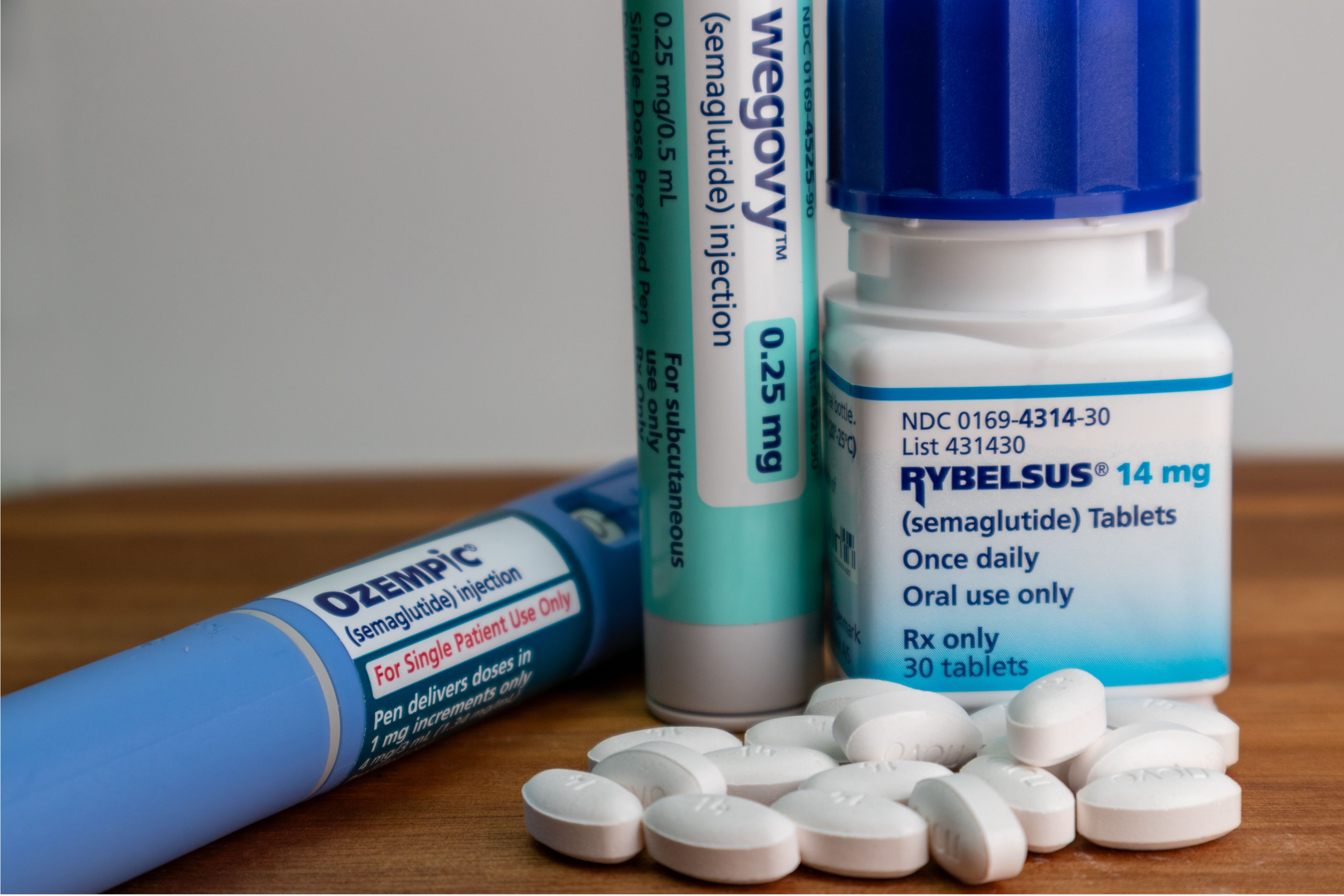
FDA-approved branded medication direct from the manufacturer: Wegovy tablets at $149/month for the 1.5 mg and 4 mg starter tiers (4 mg listed at $149 through April 15, 2026, then $199), Wegovy pen at $199/month as a limited intro then $349/month, and Zepbound vials at $299/$399/$449/month depending on dose if you refill within 45 days
The effects last for about 3 to 4 months
Rather than a series of short spikes, the long-acting form keeps a gentle, ongoing prompt in place
Additionally, improved insulin sensitivity can reduce hyperinsulinemia, which is known to stimulate ovarian androgen production and contribute to anovulation in certain conditions